Seed Resources
PLANT NATIVE, GROW WILD
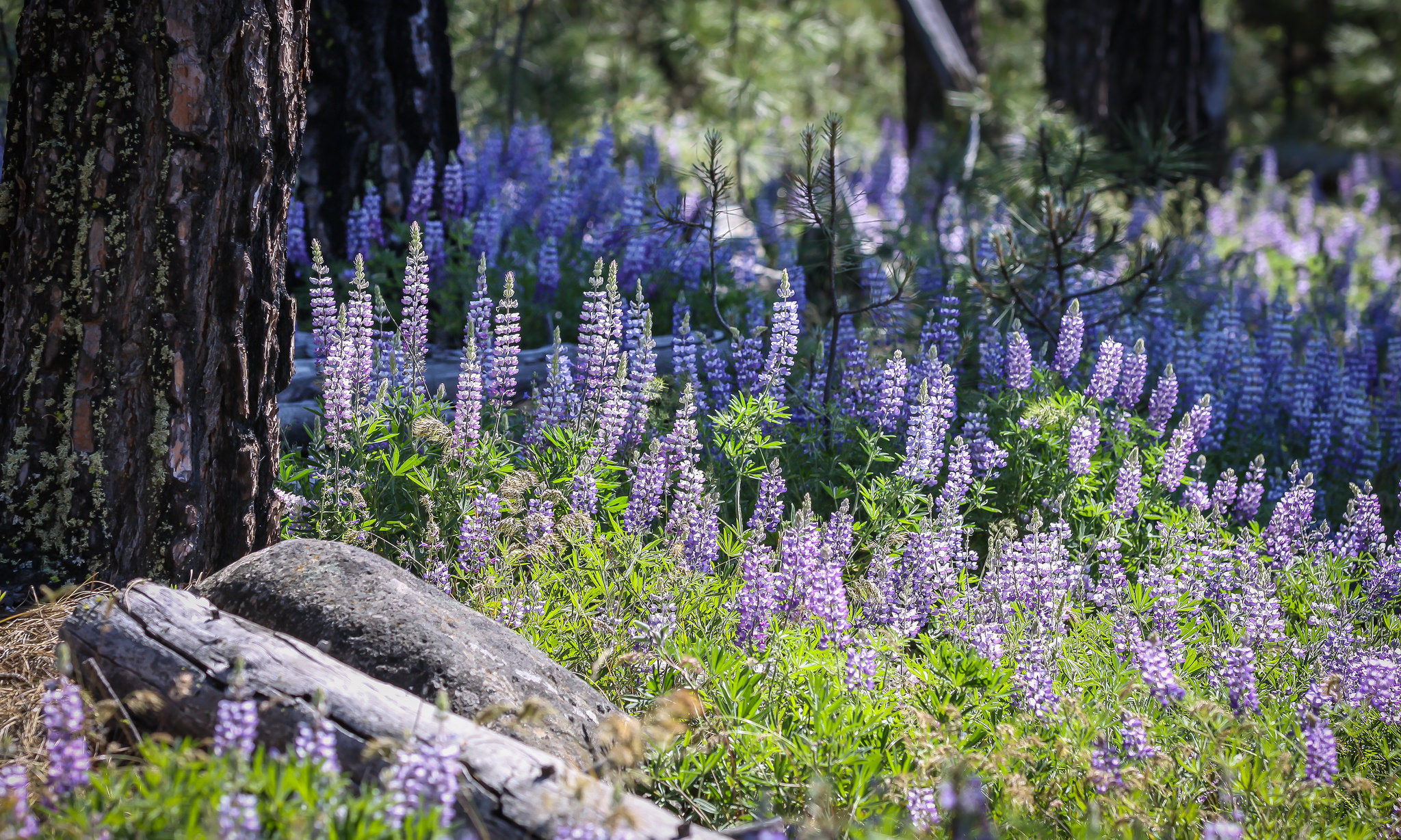
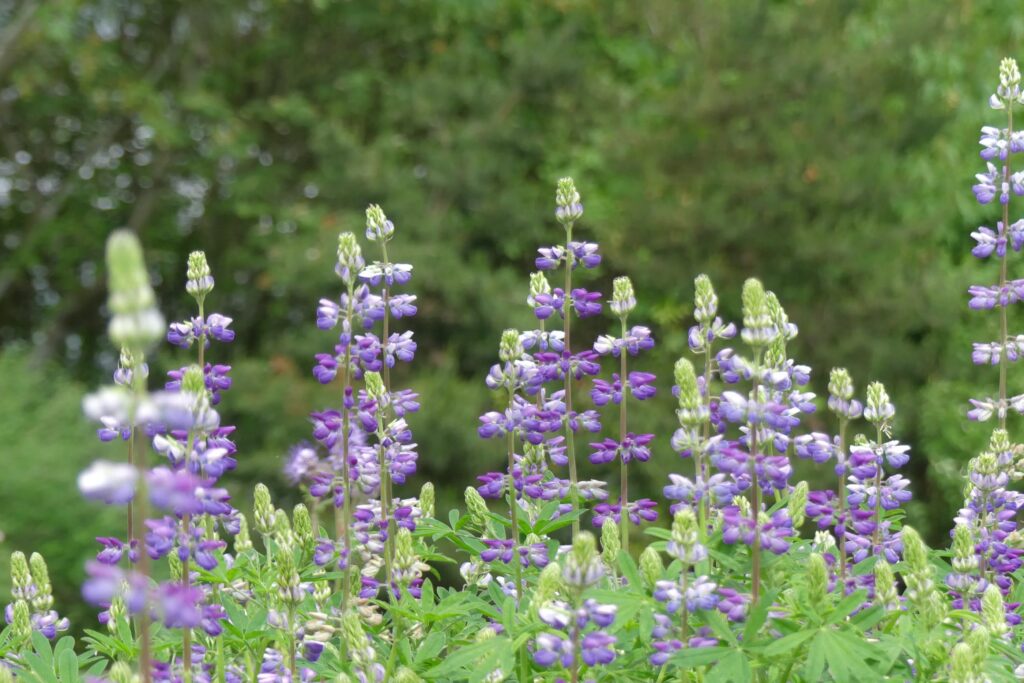
Native seeds and plants are species which naturally evolved in a given ecosystem without human introduction. In forested and non-forested habitats alike, native plants improve biodiversity and ecosystem resilience. Compared to non-native alternatives, native plants also typically decrease maintenance costs, labor, and resources required.
Unfortunately, human activity has threatened these native ecosystems, resulting in widespread wildlife habitat loss and biodiversity decline. With our help, native plants and seeds can continue to flourish and restore degraded habitats into healthy, thriving ecosystems.
SEED EXCHANGE PLATFORM
In the Puget Sound region, accessing genetically diverse seedlings remains an ongoing challenge for local restoration practitioners: species aren’t available, quality is inconsistent, and small projects can’t source the quantities they need.
The Seed Exchange platform aims to make seed and seedlings more accessible, affordable, and genetically diverse—ensuring local communities have the right plants to restore Puget Sound forests and watersheds. Access the platform, browse available listings, and learn how to share your seed surplus at tinyurl.com/seedexchangeplatform.
HOW TO SELECT SEEDS AND SPECIES
Native Seeds and Plants
- What Are Native Plant Materials? – USFS
- Why Use Native Plant Materials? – USFS
- Native Plant Guide – King County – Create your own native plant landscape with this resource library.
- Washington Native Plant Society and Native Plant Society of Oregon – Find resources for native and invasive species, search their plant directory, learn how to get involved, and more.
- Native Plants of North America – Lady Bird Johnson Wildflower Center – Search for native plants by type, preferred sunlight and soil conditions, bloom characteristics, and region.
- Plants of the Pacific Northwest Coast: Washington, Oregon, British Columbia & Alaska by Pojar & Mackinnon
Seed Zones and Climate Change Forecasts
Check out these interactive tools to explore climate, species habitat, and seed zone (where plant materials may be best adapted for site transfer) data under historical, current, and projected future climate conditions:
- Ecoregions of North America – US Environmental Protection Agency – An overview of the ecoregions and ecoregion levels across North America.
- Seed Zones Map – Western Wildland Environmental Threat Assessment Center – An interactive map for identifying seed zones across the United States.
- Historical and Projected Climate for North America – Climate NA, Center for Forest Conservation Genetics – An interactive map visualizing historical and projected climate outcomes, including species range impact.
- Species Habitat Tool – USFS, OSU, and the Conservation Biology Institute – Identify species or vegetation types suitable for specific sites given various climate change scenarios.
- Seedlot Selection Tool – ClimateNA – A GIS mapping program designed to match seedlots with planting sites based on current and projected future climate change scenarios.
- Zone Matcher – Find and match seed deployment zones based on climate.
FIND SEED NETWORKS NEAR YOU
FIND BEST PRACTICES FOR…
Assisted Migration
Assisted migration, or the planting of species and seed sources outside their native range, aims to establish new plant materials with increased resilience to climate change. Learn about the growing practice some restoration and reforestation professionals are adopting to improve ecosystem adaptation now:
- Monitoring Assisted Migration Plantings in the Pacific Northwest
- Assisted Migration Best Management Practices for Pacific Northwest Habitat Restoration Projects
- Assisted Migration: A Primer for Reforestation and Restoration Decision Makers – Southern Regional Extension Forestry
Restoration
- An Introduction to Using Native Plants in Restoration Projects – Jeanette Dorner, UW
- Native Seed Standards – Society for Ecological Restoration
Seed Quality, Propagation, and Storage
- How to Plant a Meadow – Northwest Meadowscapes
- Native Seed Production Guide for the Pacific Northwest – USDA Natural Resources Conservation Service
- Reforestation and Maintaining Seedling Quality – WA DNR
- Collecting, Processing, and Storing Seeds | Nursery Manual for Native Plants – T. Luna and K.M. Wilkinson, USFS
- Cone Scouting Guide – Silvaseed by Mast
- Cone Ripeness Guide – Silvaseed by Mast
- The Woody Plant Seed Manual – Franklin T. Bonner, USFS
- Plant Propagation Protocols – University of Washington
ADDITIONAL RESOURCES
- Seed Resources – Washington Native Seed Coalition
- Pacific Northwest Seed Zones: Past, Present, & Future [Video] – NNRG
- Plant Phenology – Budburst
- Learn Common Pollinators– Budburst
- Burke Herbarium Image Collection – Burke Museum, UW
- Reforestation, Nurseries and Genetics Resources – Southern Regional Extension Forestry
- Using a Clinometer to Measure Tree Height [Video] – University of California
Additional resources on seeds and other topics are available in the NNRG Resource Library.
Information was last updated June 2026.
Funding Acknowledgement
This project has been funded wholly or in part by the United States Environmental Protection Agency under assistance agreement PC-01J89501 through the Washington Department of Fish and Wildlife. The contents of this webpage do not necessarily reflect the views and policies of the Environmental Protection Agency or the Washington Department of Fish and Wildlife, nor does mention of trade names or commercial products constitute endorsement or recommendation for use.